Recovery Resources & Blog

Evidence-based insights, recovery guides, and the latest news from our addiction treatment center in Downey, California.

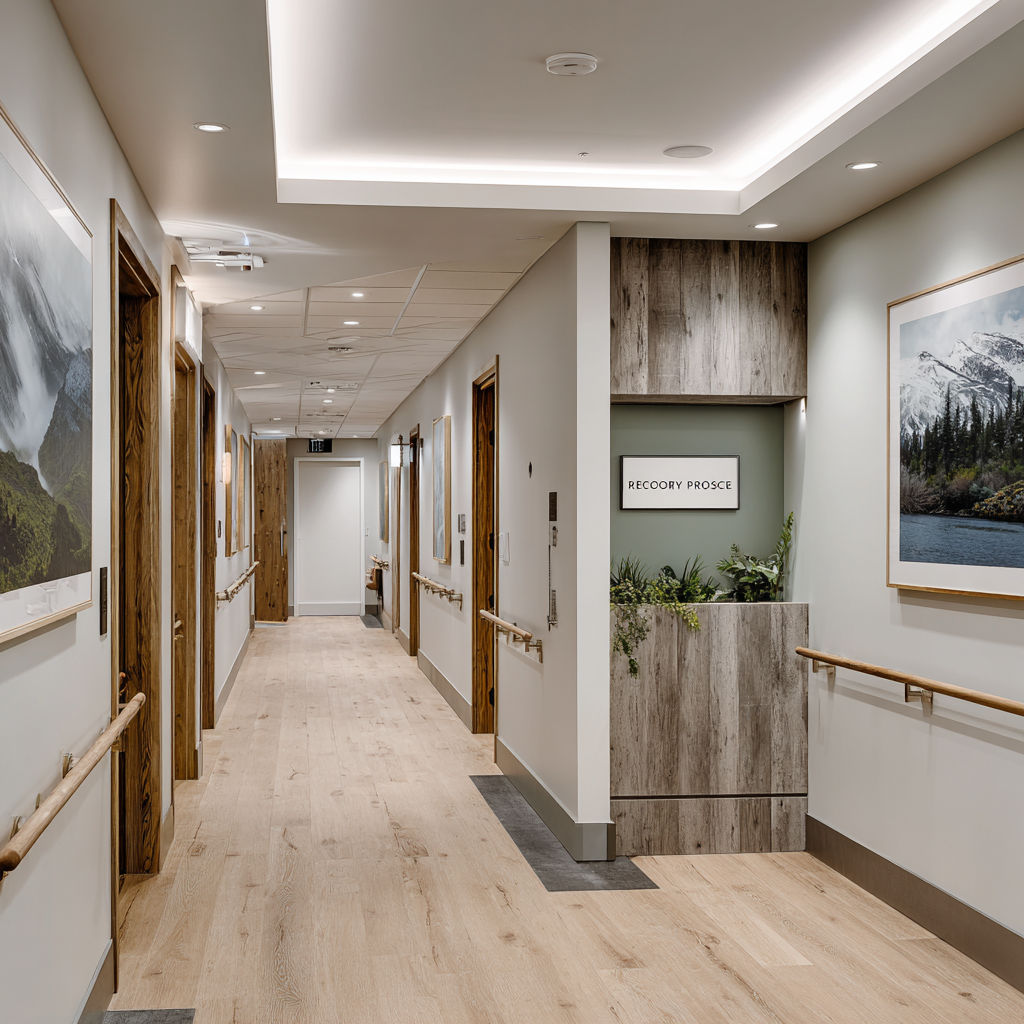
Opioid addiction warning signs - Serenity Healing facility in Downey CA
Addiction Information

Signs of Opioid Addiction: What Downey Families Should Know

Opioid addiction is affecting families across Downey and Southern California at alarming rates. Learn to recognize the warning signs early and understand the treatment options available at our facility.

By Serenity Healing  |  February 5, 2026
Read Full Article

Expert Insights for Recovery

Our clinical team at Serenity Healing shares evidence-based knowledge to support individuals and families on the path to lasting recovery.

Early recovery tips from Serenity Healing treatment center
Recovery Tips

5 Tips for Early Recovery from Serenity Healing Experts

The first 90 days of recovery are the most challenging. Our clinical team shares proven strategies for navigating early sobriety with confidence.

By Serenity Healing  |  January 29, 2026
Read More
Family support for addiction recovery in California
Family Support

How to Help a Loved One Struggling with Addiction in California

Watching someone you love battle addiction is heartbreaking. Learn compassionate, effective ways to support their journey toward treatment.

By Serenity Healing  |  January 22, 2026
Read More
Dual diagnosis treatment at Serenity Healing in Downey
Mental Health

Understanding Dual Diagnosis Treatment at Serenity Healing

Many individuals battling addiction also face co-occurring mental health conditions. Discover how our integrated approach treats the whole person.

By Serenity Healing  |  January 15, 2026
Read More
New winter wellness programs at Serenity Healing treatment center
News & Updates

Serenity Healing Welcomes New Winter Wellness Programs

Our Downey treatment center is expanding with new seasonal programs designed to support recovery during the winter months.

By Serenity Healing  |  January 8, 2026
Read More
Addiction Information

Signs of Opioid Addiction: What Downey Families Should Know

By Serenity Healing  |  February 5, 2026  |  8 min read
Recognizing opioid addiction - Serenity Healing treatment center in Downey CA

The opioid crisis has touched communities across the United States, and Downey, California, is no exception. Families throughout the greater Los Angeles area are grappling with the devastating effects of opioid addiction, often feeling helpless as they watch a loved one spiral deeper into substance dependence. At Serenity Healing, our addiction treatment center in Downey, CA, we work with families every day who wish they had recognized the warning signs earlier. This article is designed to help Downey families identify the symptoms of opioid addiction so they can take action before it is too late.

Understanding the Opioid Epidemic in Southern California

Opioid addiction often begins innocently. A doctor prescribes pain medication following a surgery, injury, or chronic pain diagnosis. Over time, the body develops tolerance, meaning larger doses are needed to achieve the same pain relief. What started as legitimate medical treatment can quickly escalate into physical dependence and, eventually, full-blown addiction. In Downey and surrounding cities such as Norwalk, Whittier, and Bellflower, we have seen a significant uptick in individuals seeking help for prescription painkiller and fentanyl addiction at our treatment facility.

According to the California Department of Public Health, opioid-related overdose deaths have risen dramatically in recent years. Fentanyl, a synthetic opioid that is 50 to 100 times more potent than morphine, has been found in counterfeit pills and street drugs, making the crisis even more deadly. Understanding the scope of this problem is the first step toward protecting your family.

Behavioral Warning Signs

One of the earliest indicators of opioid addiction is a change in behavior. Family members in Downey should watch for these red flags:

  • Doctor shopping: Visiting multiple physicians to obtain additional prescriptions for pain medication. This is one of the most telling signs that someone has moved beyond legitimate medical use.
  • Social withdrawal: Pulling away from family gatherings, hobbies, and friendships that were once important. Individuals struggling with addiction often isolate themselves to hide their substance use.
  • Neglecting responsibilities: Missing work, skipping school, or failing to meet family obligations. Tasks that were once routine become secondary to obtaining and using opioids.
  • Secretive behavior: Hiding pills, lying about whereabouts, or becoming defensive when questioned about medication use.
  • Financial problems: Unexplained expenses, borrowing money frequently, or selling personal belongings to fund drug purchases.
  • Mood swings: Rapid shifts between euphoria and irritability. Opioids produce an initial rush of pleasure followed by agitation as the effects wear off.

Physical Symptoms to Watch For

Opioid addiction produces distinct physical changes that become more pronounced as dependence deepens:

  • Constricted pupils: Often called "pinpoint pupils," this is a hallmark physical sign of recent opioid use.
  • Drowsiness and nodding off: Falling asleep at inappropriate times, such as during conversations or while sitting upright.
  • Slurred speech: Difficulty articulating words or speaking coherently.
  • Weight loss: Significant, unexplained weight loss due to decreased appetite.
  • Flu-like symptoms: When someone is between doses, they may exhibit nausea, sweating, body aches, and chills. These are early signs of withdrawal.
  • Track marks or skin infections: If the addiction has progressed to injection use, look for needle marks on the arms, legs, or between toes.

Psychological Indicators

Opioid addiction reshapes the brain's reward system, creating psychological changes that families should not overlook:

  • Anxiety and depression: These conditions often intensify with prolonged opioid use, creating a cycle where the individual uses more to cope with worsening mental health.
  • Inability to feel pleasure: Known as anhedonia, this occurs when the brain can no longer produce natural feelings of happiness without the drug.
  • Obsessive thinking about the drug: Conversations, planning, and daily routines begin to revolve around when and how to obtain the next dose.
  • Cognitive decline: Difficulty concentrating, making decisions, or remembering important information.

What Downey Families Can Do

If you recognize these signs in a family member, the most important step is to seek professional help. Confronting addiction alone is rarely effective and can sometimes push the individual further away. At Serenity Healing, our clinical team in Downey offers comprehensive assessments that determine the severity of addiction and recommend an appropriate course of treatment.

Our treatment center provides medically supervised detoxification, where patients are safely weaned off opioids under 24/7 medical care. This is followed by residential treatment, individual therapy, group counseling, and family therapy sessions designed to rebuild trust and communication. We also offer medication-assisted treatment (MAT) using FDA-approved medications such as buprenorphine and naltrexone to reduce cravings and prevent relapse.

Take the First Step Today

Recognizing the signs of opioid addiction is not easy, but it is a crucial first step toward healing. If your family in Downey or anywhere in Southern California is affected by opioid addiction, Serenity Healing is here to help. Our compassionate admissions team is available to answer your questions, verify your insurance, and guide you through the intake process. Call us today at (562) 319-2005 or visit our treatment center to speak with a member of our clinical staff in person.

Recovery Tips

5 Tips for Early Recovery from Serenity Healing Experts

By Serenity Healing  |  January 29, 2026  |  9 min read
Early recovery strategies at Serenity Healing addiction treatment center

The decision to enter treatment for drug or alcohol addiction takes tremendous courage. But for many individuals who walk through the doors of Serenity Healing, our addiction treatment center in Downey, CA, the real work begins after the initial detoxification phase. Early recovery -- generally defined as the first 90 days to one year of sobriety -- is widely recognized as the most vulnerable period. During this time, the brain is still healing, triggers are everywhere, and the temptation to return to old habits is powerful. Our clinical team at Serenity Healing has compiled five evidence-based strategies to help individuals navigate this critical phase with greater confidence and resilience.

1. Build a Structured Daily Routine

One of the most destabilizing aspects of addiction is the chaos it creates in daily life. Meals are skipped, sleep schedules are erratic, and productive activities are replaced by the cycle of obtaining and using substances. At Serenity Healing, we emphasize structure from day one of treatment at our Downey facility.

A structured routine provides predictability, which reduces anxiety and eliminates the idle time that often leads to cravings. Our therapists work with each patient to build a personalized daily schedule that includes:

  • Consistent wake-up and bedtime: Regulating your circadian rhythm is one of the fastest ways to improve mood and cognitive function during early recovery.
  • Scheduled meals: Proper nutrition replenishes the vitamins and minerals depleted by substance abuse. Our Downey facility provides nutritionally balanced meals as part of our treatment program.
  • Therapy and group sessions: Attending individual counseling and group therapy at regular intervals reinforces the coping skills learned during treatment.
  • Physical activity: Even a 30-minute walk each day has been shown to reduce cravings and improve mental health.
  • Leisure and hobbies: Rediscovering activities you enjoy rebuilds the brain's ability to experience natural pleasure.

2. Identify and Manage Triggers

Triggers are the people, places, emotions, and situations that create urges to use substances. At Serenity Healing, our therapists use cognitive-behavioral therapy (CBT) to help patients identify their personal triggers and develop specific strategies for managing each one.

Common triggers for individuals in early recovery include:

  • Environmental cues: Driving past a location where you used to purchase or use drugs. In Downey and the surrounding areas, our patients learn to map out and avoid high-risk locations during the early months of sobriety.
  • Emotional states: Stress, loneliness, anger, and even boredom can trigger cravings. Our team teaches mindfulness techniques and emotional regulation skills to handle these feelings without reaching for substances.
  • Social situations: Parties, bars, and gatherings where alcohol or drugs are present. Learning to say no and setting boundaries is a critical skill practiced during group therapy sessions at our facility.
  • Celebrations and milestones: Ironically, positive events can also trigger relapse. The urge to "reward" yourself with a drink or drug is a common pitfall that we address in treatment.

3. Lean on Your Support Network

Recovery is not a solo endeavor. Research consistently shows that individuals with strong social support systems are significantly more likely to maintain long-term sobriety. At Serenity Healing, we encourage patients to build a multi-layered support network that includes:

  • A sponsor or recovery mentor: Someone who has walked the path before and can offer guidance during difficult moments.
  • Support group meetings: Whether it is Alcoholics Anonymous, Narcotics Anonymous, or SMART Recovery, regular meeting attendance provides accountability and community. Downey and the greater Los Angeles area offer hundreds of weekly meetings.
  • Family involvement: At our treatment center, we offer family therapy sessions that help repair damaged relationships and teach family members how to provide supportive, non-enabling care.
  • Sober friendships: Building relationships with individuals who support your recovery creates a social environment that reinforces sobriety.

4. Prioritize Physical and Mental Health

Addiction takes a severe toll on both the body and the mind. During early recovery, it is essential to address the physical damage caused by substance abuse while simultaneously treating any co-occurring mental health conditions such as depression, anxiety, PTSD, or bipolar disorder.

At Serenity Healing, our integrated treatment approach at our Downey, CA, campus includes:

  • Medical monitoring: Regular check-ups with our on-site medical team to track physical recovery and address lingering health issues.
  • Psychiatric evaluation: Comprehensive assessment for co-occurring mental health disorders, with medication management as needed.
  • Exercise programming: Guided fitness activities that boost endorphin production and improve overall well-being.
  • Mindfulness and meditation: Daily practices that reduce stress, improve focus, and strengthen emotional regulation.
  • Sleep hygiene education: Many individuals in early recovery struggle with insomnia. Our team provides practical strategies for improving sleep quality naturally.

5. Develop a Relapse Prevention Plan

Relapse is not a sign of failure -- it is a recognized part of the chronic disease of addiction. However, having a concrete relapse prevention plan dramatically reduces the risk. Before patients leave our Downey treatment center, each person works with their therapist to create a personalized plan that includes:

  • Warning sign identification: Learning to recognize the emotional and behavioral patterns that precede relapse, such as isolation, skipping meetings, or romanticizing past drug use.
  • Emergency contacts: A list of people to call when cravings become overwhelming, including a sponsor, therapist, and the Serenity Healing admissions line at (562) 319-2005.
  • Coping strategies: A toolkit of healthy responses to triggers, from calling a friend to going for a run to practicing deep breathing exercises.
  • Aftercare commitments: Specific plans for outpatient therapy, support group attendance, and follow-up appointments with our clinical team.

Your Recovery Journey Starts Here

Early recovery is challenging, but it is also a period of profound transformation. At Serenity Healing in Downey, CA, we equip our patients with the skills, support, and clinical care needed to build a strong foundation for lasting sobriety. If you or someone you love is ready to take the first step, contact our admissions team at (562) 319-2005 to learn about our treatment programs.

Family Support

How to Help a Loved One Struggling with Addiction in California

By Serenity Healing  |  January 22, 2026  |  9 min read
Family support and addiction intervention in California

Addiction does not only affect the individual using substances -- it reverberates through entire families, straining relationships, eroding trust, and creating emotional wounds that can take years to heal. If you have a loved one in California who is struggling with drug or alcohol addiction, you may feel overwhelmed, frustrated, and uncertain about what to do. At Serenity Healing, our addiction treatment center in Downey, CA, we work with families throughout Southern California and understand the unique challenges that come with supporting someone through this disease. This guide provides practical, compassionate strategies for helping your loved one move toward recovery.

Educate Yourself About Addiction as a Disease

One of the most important steps you can take is to understand that addiction is a chronic brain disease, not a moral failing or a choice. The American Society of Addiction Medicine defines addiction as a primary, chronic disease of brain reward, motivation, memory, and related circuitry. When you approach your loved one's addiction from a place of medical understanding rather than judgment, conversations become more productive and compassionate.

At Serenity Healing, we offer family education sessions at our Downey facility where loved ones learn about the neuroscience of addiction, the cycle of dependence, and the evidence-based treatments available. Understanding how substances hijack the brain's reward system helps family members shift from asking "Why can't you just stop?" to "How can I support your treatment?"

Communicate with Compassion, Not Confrontation

The way you approach a conversation about addiction can make the difference between your loved one accepting help or retreating further into substance use. Here are principles our clinical team at Serenity Healing recommends:

  • Choose the right time: Never attempt a serious conversation when your loved one is intoxicated. Wait for a calm, sober moment when they are more likely to be receptive.
  • Use "I" statements: Instead of "You're destroying this family," try "I'm worried about your health and I want to help." This reduces defensiveness and keeps the focus on your genuine concern.
  • Avoid labels: Calling someone an "addict" or "alcoholic" can feel dehumanizing. Instead, refer to "your struggle with substances" or "the challenges you're facing."
  • Express specific concerns: Rather than making generalizations, reference specific behaviors you have observed: "I noticed you missed your niece's birthday and seemed very tired last week."
  • Offer solutions, not ultimatums: Present treatment as an option rather than a demand. You might say, "I've researched a treatment center in Downey called Serenity Healing. Would you be willing to talk to them?"

Set Healthy Boundaries

Supporting a loved one through addiction does not mean enabling their behavior. Enabling occurs when well-intentioned actions -- lending money, making excuses to their employer, covering up their substance use -- remove the natural consequences that might motivate them to seek help. Setting boundaries is one of the most loving things you can do.

Effective boundaries may include:

  • Refusing to provide money that may be used to purchase substances
  • Declining to lie or make excuses on their behalf
  • Establishing clear consequences for specific behaviors, such as substance use in your home
  • Communicating your boundaries calmly and consistently
  • Following through on stated consequences every time

Our family therapy program at Serenity Healing helps families in California develop and maintain healthy boundaries while preserving the relationship with their loved one.

Consider a Professional Intervention

If direct conversations have not been effective, a professional intervention may be the next step. An intervention is a structured meeting, typically facilitated by a trained interventionist, where family members and close friends express their concerns and present a pre-arranged treatment plan. At Serenity Healing, our admissions team can connect California families with experienced interventionists who specialize in guiding these sensitive conversations.

Key elements of a successful intervention include:

  • Professional guidance: An interventionist keeps the conversation focused, compassionate, and productive.
  • Pre-arranged treatment: Having a treatment plan ready -- including a bed reserved at a facility like Serenity Healing -- means your loved one can enter treatment immediately if they agree.
  • Unified messaging: All participants should be on the same page about boundaries and expectations.
  • Written letters: Each participant prepares a letter describing how the addiction has affected them personally and expressing their hope for recovery.

Take Care of Yourself

It is easy to become so focused on your loved one's addiction that you neglect your own physical and emotional health. Caregiver burnout is real, and it undermines your ability to provide effective support. California offers numerous resources for family members of individuals struggling with addiction:

  • Al-Anon and Nar-Anon: Support groups specifically for family members and friends of people with addiction. Meetings are held throughout Downey, Long Beach, and the greater Los Angeles area.
  • Individual therapy: Working with a therapist who specializes in family systems and addiction can help you process your own emotions and develop coping strategies.
  • Family therapy at Serenity Healing: Our treatment center offers sessions where families learn communication skills, rebuild trust, and heal together in a clinical setting.
  • Self-care practices: Maintaining your exercise routine, social connections, and hobbies is not selfish -- it is essential.

Know When to Seek Emergency Help

In some situations, immediate action is necessary. If your loved one shows signs of an overdose -- such as unconsciousness, slow or stopped breathing, blue lips or fingernails, or gurgling sounds -- call 911 immediately. California's Good Samaritan Law provides legal protections for individuals who call for help during an overdose emergency.

Serenity Healing Is Here for Your Family

Helping a loved one through addiction is one of the most difficult experiences a family can face. At Serenity Healing in Downey, CA, we are here to support not just the individual in treatment but the entire family. Our comprehensive programs include family therapy, education workshops, and ongoing aftercare planning to ensure every member of your family has the tools to heal. Call our admissions team at (562) 319-2005 to learn how we can help your family begin the recovery journey.

Mental Health

Understanding Dual Diagnosis Treatment at Serenity Healing

By Serenity Healing  |  January 15, 2026  |  9 min read
Dual diagnosis treatment for addiction and mental health at Serenity Healing

Addiction rarely exists in isolation. According to the Substance Abuse and Mental Health Services Administration (SAMHSA), approximately 9.2 million adults in the United States have both a substance use disorder and a mental health condition. This co-occurrence is known as dual diagnosis, and treating both conditions simultaneously is critical for achieving lasting recovery. At Serenity Healing, our addiction treatment center in Downey, CA, we specialize in integrated dual diagnosis care that addresses the full spectrum of each patient's needs within a single, cohesive treatment plan.

What Is Dual Diagnosis?

Dual diagnosis, also referred to as co-occurring disorders, describes the simultaneous presence of a substance use disorder and one or more mental health conditions. Common co-occurring combinations include:

  • Alcohol addiction and depression: Alcohol is a central nervous system depressant that can worsen existing depressive symptoms while also creating new ones.
  • Opioid addiction and anxiety: Many individuals initially use opioids to self-medicate anxiety, leading to a cycle of dependence.
  • Stimulant addiction and bipolar disorder: The manic phases of bipolar disorder may lead to increased drug-seeking behavior, while stimulant use can trigger manic episodes.
  • Substance addiction and PTSD: Trauma survivors frequently turn to drugs or alcohol to numb painful memories and emotions.
  • Polysubstance use and borderline personality disorder: The emotional instability associated with BPD can drive compulsive substance use as a coping mechanism.

Why Traditional Treatment Often Falls Short

Historically, addiction and mental health were treated as separate conditions by different providers in different settings. A person might complete a 30-day rehab program for alcohol addiction only to be sent home with untreated depression -- a recipe for relapse. Conversely, someone receiving psychiatric care for anxiety might never have their underlying substance abuse addressed.

This fragmented approach fails because addiction and mental health conditions are deeply interconnected. They share overlapping neurological pathways, genetic risk factors, and environmental triggers. Treating one without the other leaves half the problem unresolved. At Serenity Healing in Downey, we recognized early on that integrated treatment is the only effective path to sustained recovery for dual diagnosis patients.

Our Integrated Treatment Approach

At our Downey treatment center, dual diagnosis care is built into every level of treatment. From the moment a patient arrives for their initial assessment, our clinical team evaluates both substance use patterns and mental health symptoms. Here is what our integrated approach looks like in practice:

Comprehensive Psychiatric Assessment

Every patient at Serenity Healing undergoes a thorough psychiatric evaluation conducted by a licensed psychiatrist. This assessment includes a detailed personal and family history, validated screening tools for depression, anxiety, PTSD, bipolar disorder, and other conditions, as well as a review of any previous psychiatric treatment and medications. This evaluation ensures that no co-occurring condition goes undiagnosed.

Individualized Treatment Planning

Based on the assessment results, our multidisciplinary team -- including psychiatrists, psychologists, licensed therapists, and addiction counselors -- collaborates to create a single, unified treatment plan. This plan addresses both the addiction and the mental health condition with equal priority, ensuring that therapeutic interventions complement rather than contradict each other.

Evidence-Based Therapies

Our dual diagnosis program at Serenity Healing utilizes several proven therapeutic modalities:

  • Cognitive-Behavioral Therapy (CBT): Helps patients identify and change the thought patterns that drive both substance use and mental health symptoms.
  • Dialectical Behavior Therapy (DBT): Particularly effective for patients with emotional regulation difficulties, DBT teaches mindfulness, distress tolerance, and interpersonal effectiveness.
  • Eye Movement Desensitization and Reprocessing (EMDR): A specialized therapy for trauma that helps patients process painful memories without relying on substances.
  • Motivational Interviewing (MI): Strengthens the patient's own motivation for change by exploring and resolving ambivalence.
  • Group therapy: Dual diagnosis-specific groups at our facility allow patients to connect with others who share similar experiences, reducing isolation and building mutual support.

Medication Management

For many dual diagnosis patients, psychiatric medication is an essential component of treatment. Our psychiatrist at the Downey campus carefully evaluates each patient's needs and may prescribe medications such as antidepressants, mood stabilizers, anti-anxiety medications, or medication-assisted treatment (MAT) for addiction. All medications are monitored closely, with regular adjustments as needed to optimize effectiveness and minimize side effects.

Holistic and Experiential Therapies

Mental health recovery is supported by more than clinical interventions alone. At Serenity Healing, our patients also benefit from:

  • Mindfulness meditation and yoga
  • Art and music therapy
  • Exercise and fitness programming
  • Nutritional counseling and healthy meal planning
  • Journaling and expressive writing workshops

The Importance of Aftercare for Dual Diagnosis

Recovery from co-occurring disorders is a long-term process that extends well beyond residential treatment. Before a patient transitions out of our Downey treatment center, our team creates a detailed aftercare plan that includes ongoing outpatient therapy, psychiatric follow-up appointments, support group recommendations (including Dual Recovery Anonymous meetings in the Los Angeles area), medication management, and relapse prevention strategies specific to both the addiction and the mental health condition.

Get Help for Co-Occurring Disorders in Downey

If you or someone you love is struggling with both addiction and a mental health condition, integrated treatment at Serenity Healing offers the best chance for lasting recovery. Our Downey, CA, treatment center provides the clinical expertise, compassionate care, and evidence-based therapies needed to address both conditions simultaneously. Contact our admissions team at (562) 319-2005 to schedule a confidential assessment and take the first step toward comprehensive healing.


News & Updates

Serenity Healing Welcomes New Winter Wellness Programs

By Serenity Healing  |  January 8, 2026  |  6 min read
New winter wellness programs at Serenity Healing treatment center in Downey CA

At Serenity Healing, our addiction treatment center in Downey, CA, we are committed to continuously evolving our programs to provide the highest standard of care for individuals seeking recovery. This winter, we are proud to announce the launch of several new wellness programs designed to address the unique challenges that the colder months present for those in treatment and early recovery. These additions reflect our belief that healing is not limited to clinical therapy alone -- it encompasses the whole person, including physical health, emotional well-being, and spiritual growth.

Why Winter Matters in Recovery

The winter season can be particularly difficult for individuals in recovery. Shorter days and reduced sunlight can trigger or worsen seasonal affective disorder (SAD), a form of depression that affects millions of Americans. Holiday gatherings often involve alcohol and can resurface painful family dynamics. The cold weather itself can discourage physical activity and outdoor time, both of which are important for mental health. At Serenity Healing, we designed our winter wellness programs to proactively address these seasonal risks.

New Program Offerings

Seasonal Affective Disorder Support Group

Our new SAD support group meets twice weekly at our Downey facility and is open to all current patients. Led by a licensed therapist, these sessions combine psychoeducation about seasonal mood changes with practical coping strategies, including light therapy guidance, sleep hygiene optimization, and mood-boosting nutritional recommendations. Patients also learn to distinguish between SAD symptoms and signs of relapse, empowering them to seek appropriate help early.

Mindful Movement and Indoor Fitness Program

Physical activity is one of the most effective natural tools for managing cravings, reducing anxiety, and improving mood. Our new indoor fitness program ensures that patients maintain their exercise routines regardless of the weather. The program includes guided yoga sessions, resistance training circuits, and mindful movement classes that combine gentle stretching with breathwork and meditation. All sessions are held in our facility's dedicated wellness space and are led by certified fitness instructors experienced in working with individuals in recovery.

Nutritional Wellness Workshop Series

The holiday season and winter months often disrupt healthy eating patterns. Our new four-part workshop series, facilitated by a registered dietitian, covers topics such as the connection between nutrition and mood, meal planning for recovery, managing sugar cravings (which are common among individuals recovering from alcohol addiction), and cooking demonstrations featuring nutritious comfort foods. Patients leave each session with practical recipes and strategies they can use long after completing treatment at our Downey center.

Gratitude and Reflection Journaling Program

The winter holidays can stir up complex emotions for people in treatment -- grief for lost relationships, guilt over past behavior, or loneliness during what society portrays as a joyful time. Our new journaling program provides a structured, therapeutic outlet for processing these emotions. Guided by writing prompts developed by our therapy team, patients explore themes of gratitude, self-forgiveness, and hope. Research has shown that regular gratitude practice can improve mental health outcomes and strengthen recovery commitment.

Extended Family Visiting Hours and Virtual Family Sessions

Recognizing that family connection is especially important during the holiday season, Serenity Healing has expanded our family visiting hours throughout the winter months. We have also introduced virtual family therapy sessions for loved ones who cannot travel to our Downey campus. These video sessions, conducted by our licensed family therapists, allow families across California and beyond to participate in the treatment process, attend education workshops, and begin rebuilding relationships in a supported clinical environment.

Commitment to Comprehensive Care

These new winter programs complement our existing treatment offerings, which include medical detox, residential treatment, outpatient programs, dual diagnosis care, individual and group therapy, and holistic therapies. At Serenity Healing, we believe that every season of the year presents both challenges and opportunities for growth in recovery. By expanding our programming to meet the specific needs of the winter months, we are ensuring that our patients in Downey, CA, receive the most comprehensive, responsive care available.

Learn More About Our Programs

If you or a loved one is considering addiction treatment this winter, Serenity Healing invites you to explore our full range of programs. Our admissions team is available to answer questions, verify your insurance, and schedule a tour of our Downey treatment center. Call us at (562) 319-2005 or email [email protected] to get started today.

Need Help Now?

Our admissions team at Serenity Healing is available around the clock. Call our Downey, CA, treatment center to speak with a compassionate specialist who can guide you through the next steps.

(562) 319-2005
Start Admissions Contact Us
Back to Top